Checklist: What to Pack for a Full-Day Country Hike in Changeable Weather
A season-by-season packing checklist for a full day on rural trails: layers, waterproofs, navigation,...

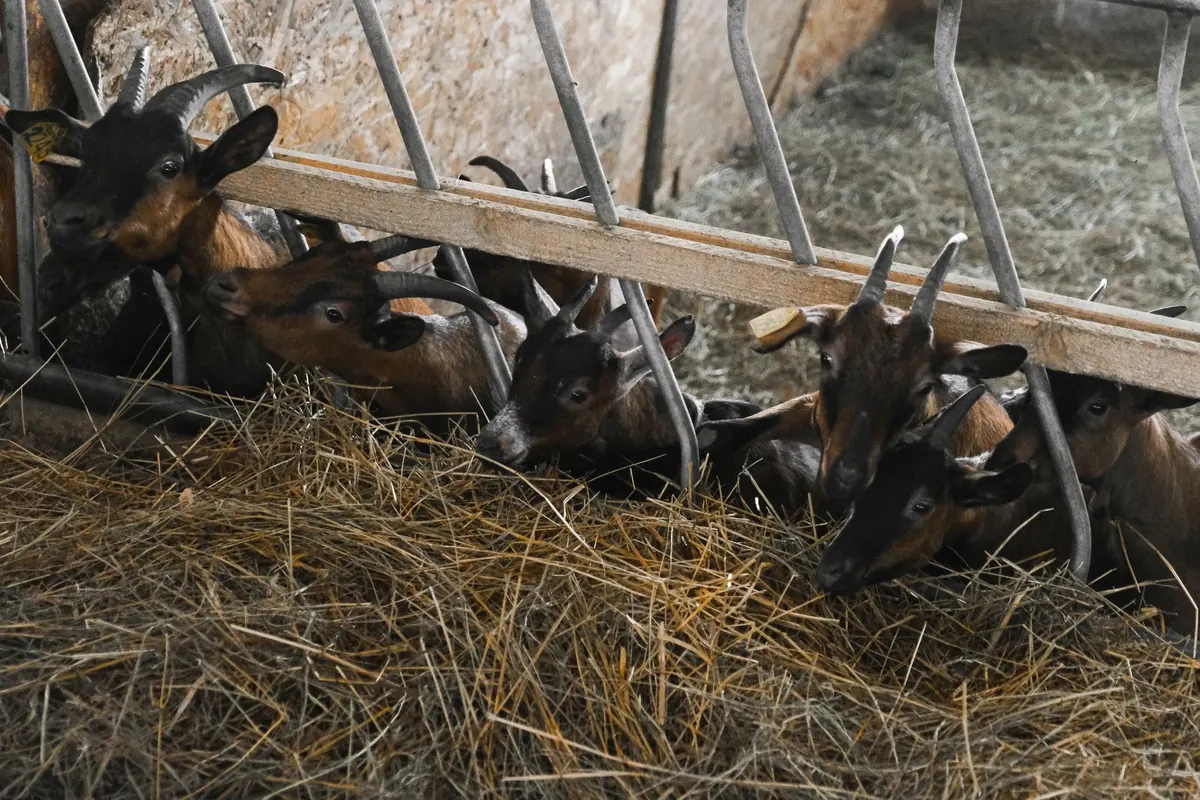
A family milk goat can put a gallon of milk in your fridge most days, turn brush and weeds into next year's compost, and give the kids an animal that actually comes when called. What she will not do is take a day off. A doe in milk needs to be milked on schedule, and a goat kept by herself is a stressed goat. If you are planning on one, plan for two — a second doe or a companion wether (a castrated male) will keep her calm and save you a lot of noise.
Here is what the setup and the day actually look like, from the fence posts to the last strainer full of milk.
Goats are tough, but they hate drafts, wet bedding, and standing in mud. A simple three-sided shelter with a roof that sheds rain is enough in most climates. Give each adult goat about ten to fifteen square feet of floor space and top up the straw or shavings every few days so the pack stays dry. Bedding that smells like ammonia means you need better airflow, not more bedding.
Fencing is where beginners get humbled. Goats lean, rub, climb, and push their heads through anything with a wide gap. Woven wire with four-inch openings, at least four feet tall, with posts set deep, is the standard for a reason. A single strand of electric wire along the top of a good fence stops most climbing, and electric netting works well for rotational grazing if you move it regularly. Never tether a goat unattended; they tangle themselves faster than you would believe.
Shade matters in summer, and so does water that stays clean. A bucket wedged inside an old tire, or a trough with a float valve, beats a loose bucket she will step in twenty minutes after you fill it.
A milking doe needs more than pasture. The foundation is good-quality hay, free choice, with alfalfa or a mixed grass-alfalfa available for does in heavy milk. Add loose goat-specific minerals — not the block made for cattle — and keep fresh water in front of her at all times. A doe producing a gallon a day drinks several gallons herself.
Grain is a tool, not a treat. Feed a measured ration at milking time, split between milkings, and adjust based on how she looks rather than how she begs. A goat that is gaining weight on too much grain can have trouble at kidding and cost you more than she gives back. Changes to feed should happen over a week or more; sudden switches upset the rumen and can put a doe off feed entirely.
You will milk twice a day for months, so build the spot once and build it well. A wooden stanchion with a head gate and a feed pan costs little to make and turns milking from a wrestling match into a habit. Set the platform at a height that keeps your hands comfortable — somewhere around hip level for most people — and put it on a smooth surface you can sweep and hose instead of dirt.
Keep everything you need within arm's reach: a stainless steel bucket, clean cloths for washing and drying the udder, a strip cup for checking the first squirts, a funnel and filter, and glass or stainless jars for chilling. Warm water and a mild soap for cleanup, and a dedicated rag you never use anywhere else.
Consistency is what keeps a goat healthy and a milker sane. Same order, same times, every day.
Between those chores, spend five minutes just watching. Does that stand slightly hunched, chew cud normally, come to the gate with the others? You will spot a problem days earlier than you would from a checklist alone.
Wash your hands, wash the udder with warm water, and dry it with a clean cloth — the drying step matters, because it removes dirt and stimulates letdown. Strip the first two or three squirts from each teat into a strip cup and look at them. Stringy, clumpy, or bloody milk means stop and pay attention rather than dumping it into the bucket.
Milk with your whole hand: trap the milk at the top of the teat with your thumb and forefinger, then squeeze down with the rest of your fingers in sequence. It should sound like a steady rhythm, not a series of tugs. Go quickly but completely; leaving milk in the udder tells her body to produce less. When the flow slows, strip her out, dip or wipe the teats, and get the milk strained and into the coldest part of the fridge within half an hour.
Once a week, run your hands over her. Feel the ribs and the spine — you should be able to find them without pressing hard, but they should not be sharp. Pick up each foot, clean out the crevices, and look for the soft, dark, foul-smelling spots of foot rot. Trim hooves every six to eight weeks, or let a shearer or experienced neighbor show you how the first time.
Check her eyelids by rolling the lower lid down; pale or white lids can point to internal parasites, while a healthy goat has a pinkish-red color. A normal goat runs roughly 101.5 to 103.5°F on a rectal thermometer, so have one on hand before you need it. Lice and mites show up as dandruff and rubbed patches along the back.
Find a veterinarian who works with goats before you buy one, and call them for anything you are unsure about. Respiratory trouble, sudden off-feed days, and mastitis are worth professional advice rather than a wait-and-see approach.
The first month is a shakedown. Your arms will ache, the goat will test the fence, and you will forget to put the strainer in the fridge at least once. After that, the rhythm takes over, and milking becomes the quietest twenty minutes of your day.
Start with the setup, not the goat: shelter dry, fence tight, stand built, supplies stacked. Keep a small notebook with freshening dates, hoof trims, and anything odd you noticed. And lean on the goat people near you — most will happily show you how they trim hooves or set up their stand. Whatever they show you, learn it early, before your doe has a bad week and you have to figure it out in a hurry.
Photo: Anna Shvets / Pexels
A season-by-season packing checklist for a full day on rural trails: layers, waterproofs, navigation,...
A practical guide to organizing a rural tool-sharing circle: recruiting a few neighbors, cataloging...
Old field boundaries, hedgerows and enclosure patterns are a living record of rural history — and they...