Beginner's Guide to Keeping a Family Milk Goat: Daily Routine and Setup
A practical guide to housing, feeding, milking, and the daily routine that keeps a family milk goat...

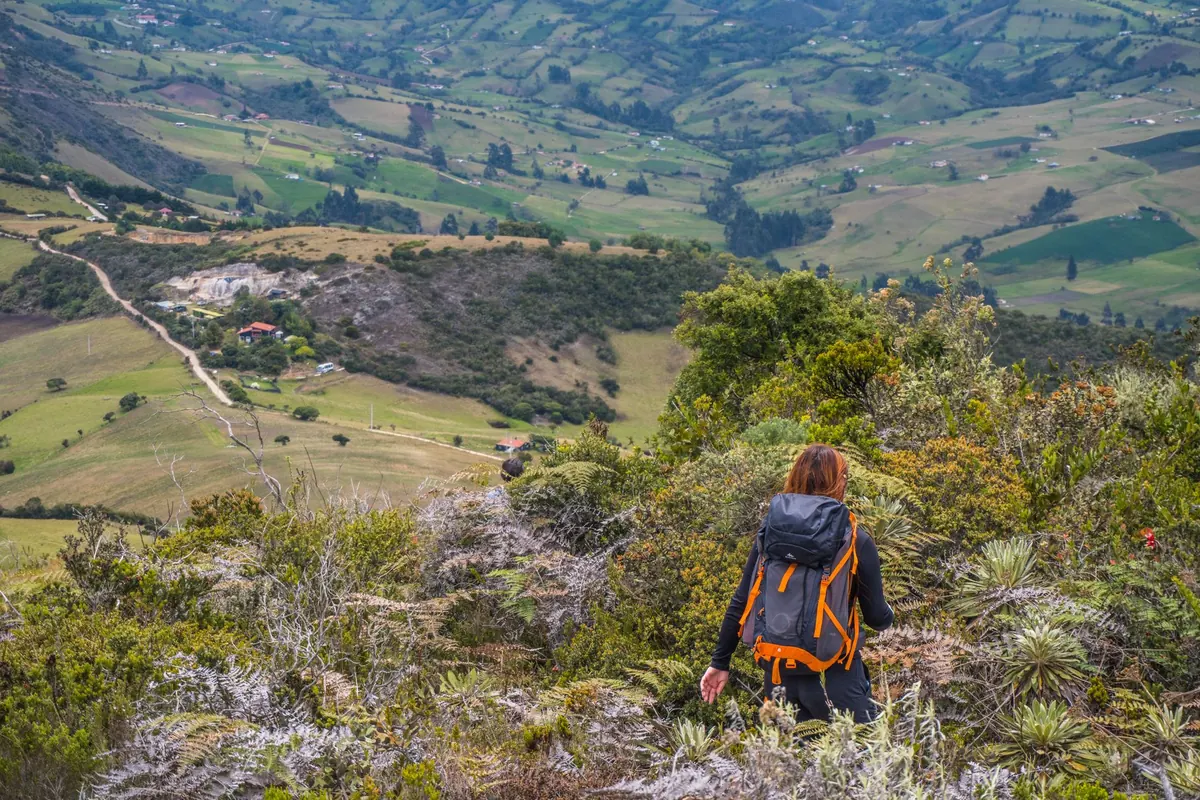
A full day on a rural trail is rarely one kind of weather. You leave the car in thin sunshine, cross two fields into a headwind, and by the time you reach the ridge the cloud has dropped and the rain is arriving sideways. The pack you carry has to be built for that shift — not for the forecast you read at breakfast, but for the forecast three hours later, at elevation, on the far side of the valley. Here is what actually earns its place in the bag, and why.
Before anything goes into the rucksack, spend ten minutes on the route. Check the forecast for the start point, the high point, and the hour you expect to be finishing. You will usually get three different answers. Look at wind speed as well as rain chance: wind is what turns a mild afternoon into a cold one on open moorland, and what drops a branch across the only track back to the lane.
Then think about the ground underfoot. Pasture, bog, shale, chalk downland, forestry track? Bog means wet feet by ten in the morning. Clay means slipping on every descent. An exposed ridge means you will feel every gust. Write your route down, including escape points, and leave a copy with someone at home along with your expected return time. Rural phone signal is patchy at best, and that note may be what sends help to the right hill rather than the wrong one.
The whole point of layering is that you can add and shed quickly without stopping for long. Aim for three working layers plus one dry spare, all of them able to work together.
Lightweight gloves earn their space far more often than people expect, even in summer on a windy top. So does a buff or scarf you can pull over your face on an exposed stretch.
Boots or trail shoes that fit properly and have grip left on the sole matter more than any jacket. Wear them in before a long day out. Take two pairs of socks — a thin liner and a cushioned wool pair — because a fresh pair mid-afternoon feels like a new pair of feet, and because the second pair is dry when the first is not.
Trim your toenails before you go, not the night before a long descent. Carry a small blister kit: tape, a couple of dressings, and a needle you know how to use. Gaiters are worth it in long wet grass, on boggy ground, and in late-summer seed heads that work their way into socks. Tuck a spare pair of laces in the bottom of the pack; they weigh nothing and can also patch a strap or a tent guy.
Assume your phone will fail, not because it usually does, but because the one time it matters it will be in a damp pocket with twelve percent battery and no bars.
Knowing how to read a grid reference and roughly how many paces you cover in a hundred metres is quiet, unglamorous, and genuinely useful when a path vanishes in bracken.
Eat little and often rather than saving everything for a big lunch. Oatcakes, cheese, nuts, dried fruit, a proper sandwich, and something sweet for the last climb all travel well. A flask of hot tea or soup transforms a cold, wet stop in winter and costs you very little weight.
Water is the item most people under-pack. Carry more than you think you need — a litre and a half as a bare minimum for a half-day, considerably more in warm weather — and drink before you feel thirsty. If you plan to refill from streams, remember that farmland water may run through grazing fields, so filter or treat it unless you have good local knowledge. If you have a medical condition or take regular medication, check with your doctor before a long day out and carry what you need, plus a little extra.
The core kit stays in the pack all year: a small first-aid pouch with blister plasters, tape, and an antiseptic wipe; a foil emergency blanket; a whistle; a headlamp; a small knife or multi-tool; sunscreen and lip balm; a few metres of cord; and your phone in a waterproof bag.
Mud, ticks, and nettles. Add gaiters, a tick removal tool, and a second pair of socks. Streams run high after rain, so check your crossings and turn back if they look wrong.
Start early to avoid the heat of the middle of the day, take a sun hat, and carry extra water. Keep the shell and a warm layer anyway — hilltops stay cold, and afternoon thunderstorms arrive quickly on high ground.
Daylight is the real constraint. Note the sunset time before you set off, move the headlamp from “just in case” to essential, and add a warmer mid layer. Wet leaves on rock and roots are slick, so shorten your stride on descents.
Ice, low sun, and short days. Take an insulated flask, spare gloves, and traction aids if the trail is likely to freeze. Tell someone your route and stick to it — winter is not the season for an improvised detour.
Lay everything out the night before and pack it in the order you will need it: waterproofs on top, food and water within reach, safety kit somewhere you can find it without emptying the bag. Then carry the loaded pack up and down the stairs. If that feels like hard work, something in there is optional.
Check the forecast once more in the morning, leave your route note, and go. The aim is not a perfect kit list. It is simply that nothing on the trail that day comes as a surprise.
Photo: Juan Felipe Ramírez / Pexels
A practical guide to housing, feeding, milking, and the daily routine that keeps a family milk goat...
A practical guide to organizing a rural tool-sharing circle: recruiting a few neighbors, cataloging...
Old field boundaries, hedgerows and enclosure patterns are a living record of rural history — and they...