Checklist: What to Pack for a Full-Day Country Hike in Changeable Weather
A season-by-season packing checklist for a full day on rural trails: layers, waterproofs, navigation,...

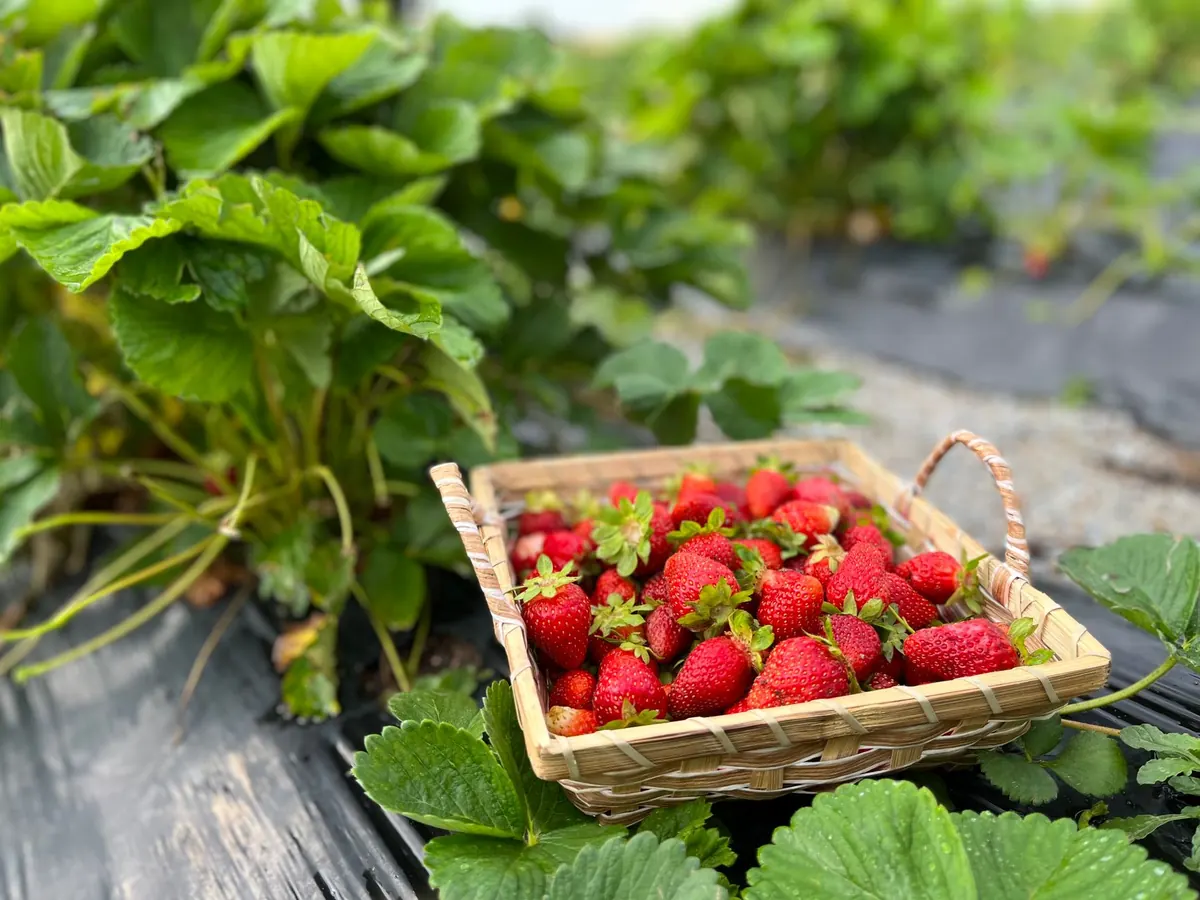
By the last week of August the countryside has stopped pretending. The hay meadows are bleached and seed-headed, the bracken has gone the colour of rust, and hedges that looked like nothing much in June are suddenly loaded. Blackberries darken in patches, elderberries hang in loose crimson sprays, hazelnuts swell inside green frilly husks. It is the most generous fortnight of the year for anyone who walks with their eyes open, and the least forgiving for anyone who guesses. Learn a dozen plants properly and you will eat well for the rest of the season.
Most beginners rush at the first dark berry they see. A better habit is to walk one stretch of hedge weekly through late summer, watching what ripens when. You learn the shape of the leaves at eye level, the colour of the stems, the smell of a crushed leaf. Identification is a handful of small details, not one big one.
Brambles are the safest starting point. Almost nothing else in a hedgerow looks like a thorny arching stem with five-petalled flowers and berries ripening from red through to black. A ripe blackberry comes away clean, leaving the pale core on the stem; if it resists, it is not ready. Avoid the lowest trusses in a dog-walking lane, and anything in the spray drift of a busy road.
Elder is an untidy shrub with opposite, pinnate leaves and, in June, flat plates of creamy flowers. By late August those plates have become drooping bunches of small purple-black berries. They are not a snack: raw elderberries, and the stems and leaves around them, can make you ill. Cooked into cordial, ketchup or jelly they are excellent. True elder has black fruit in drooping bunches; red-berried elder carries bright red fruit in upright cones, and low-growing dwarf elder smells unpleasant when bruised. If the berries are red, walk on.
Blackthorn gives sloes: small, oval, blue-black with a dusty bloom on a fiercely spiny bush. They are puckeringly sharp raw and traditionally picked after the first frost, though a spell in the freezer does the same job. Haws, the berries of hawthorn, are small and red with a single stone — mealy raw, good cooked into jelly. Rosehips are the scarlet fruits of dog roses; the fine hairs inside irritate the throat, so use them for syrup and strain well.
Hazelnuts are ready when the green husk turns brown and the nut inside no longer rattles. Shake it — if it sounds hollow, a weevil got there first. Squirrels work from the top down, so check the lower branches. Wild plums, damsons and bullaces, grow in old hedgerows and along field edges: small, dusty blue or purple, and sharp enough to make your cheeks ache. They make superb jam and gin. Crab apples are bitter but full of pectin, which is why they set jelly so reliably.
Chanterelles are the prize of a late-summer woodland walk: golden, faintly apricot-scented, with blunt forking ridges running down the stem rather than true gills. Giant puffballs are unmistakable when they are good to eat — cut one open and the inside should be pure white and solid as a marshmallow, with no hint of a developing cap, no yellowing, no purple-brown. And now the rule that overrides everything else here: if you cannot identify a fungus to species with total certainty, do not eat it. A few of the most dangerous species in the woods look frustratingly ordinary. Learn with someone experienced, ideally on a guided walk. Take a spore print. Check the gills, the ring, the base and the smell. Carry fungi in a paper bag or shallow basket, never a sealed plastic tub.
Not everything goes in a jam pan. Wood sorrel, with three heart-shaped leaves, has a clean lemony tang. Wild and water mints are easy once you notice the square stems and opposite leaves; crush one and the smell settles it. Yarrow, meadowsweet and sorrel grow along the same verges. Use your nose as much as your eyes, and never harvest a green you have not identified by leaf, stem and habitat together.
A hedge is not a shop shelf. It is somebody's larder — often a bird's, a dormouse's, a badger's.
A shallow basket or rigid tub keeps berries from crushing. Add a paper bag for fungi, secateurs, gloves, a field guide with photographs, water, and a charged phone. Wear long sleeves against brambles and ticks, and tell someone where you are going.
Try one new wild food at a time, in a small amount, so you know what agrees with you — some people react badly even to species that are perfectly edible. Cook properly anything that needs cooking. If you are pregnant, breastfeeding, on regular medication or feeding wild food to young children, ask a pharmacist or doctor before experimenting. And if there is any doubt about an identification, leave it in the hedge. There is always next year.
Sort and wash your pickings the same day. Blackberries freeze well on a tray before bagging. Elderberries become cordial, ketchup or jelly; sloes want gin and patience; rosehips make a syrup that tastes like liquid autumn; damsons and crab apples set beautifully into jam. Hazelnuts dry in a warm room for a fortnight, then keep in their shells for months.
A couple of hours along a good hedge in September will fill a basket, a freezer and half a shelf of jars — and you will come home knowing one more stretch of lane properly than you did that morning. That, more than the fruit, is what the walk is for.
Photo: Mithat Sayıner / Pexels
A season-by-season packing checklist for a full day on rural trails: layers, waterproofs, navigation,...
A practical guide to housing, feeding, milking, and the daily routine that keeps a family milk goat...
A practical guide to organizing a rural tool-sharing circle: recruiting a few neighbors, cataloging...