Checklist: What to Pack for a Full-Day Country Hike in Changeable Weather
A season-by-season packing checklist for a full day on rural trails: layers, waterproofs, navigation,...

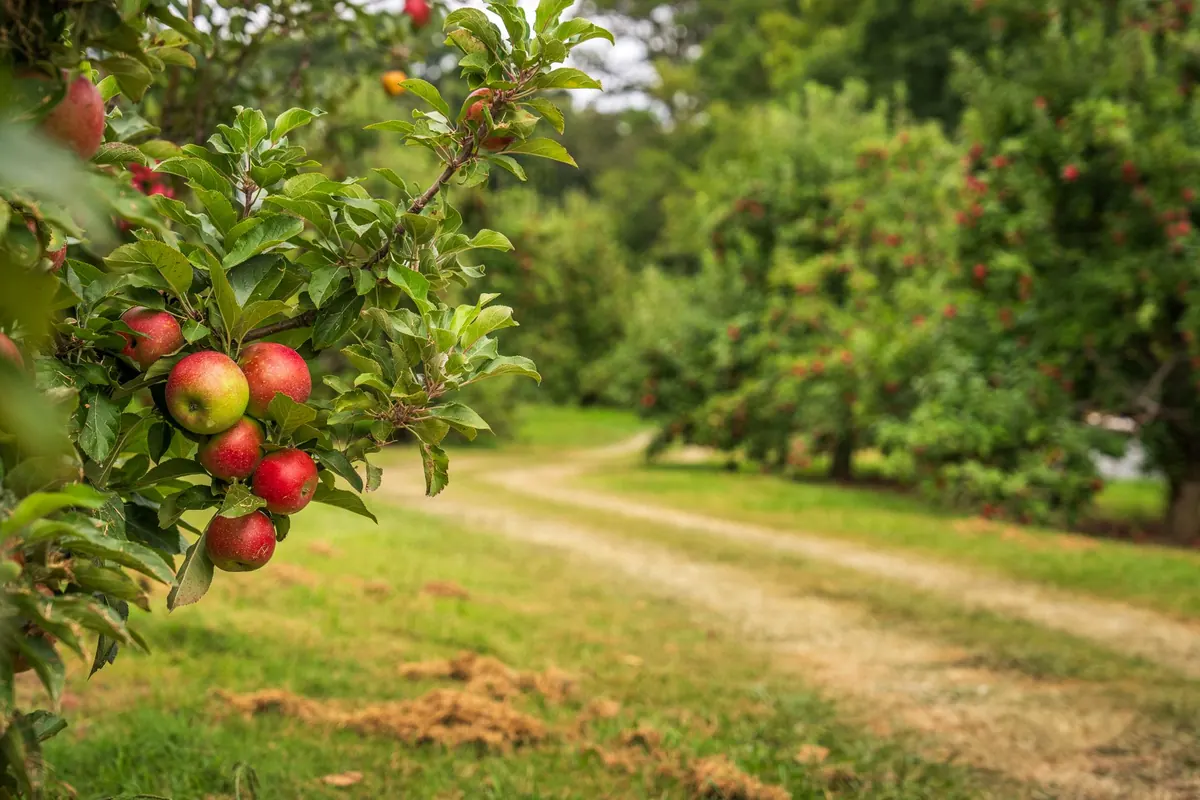
A small orchard changes the sound of a place. Bees move in during blossom week, wasps patrol the windfalls by late summer, and by the fourth autumn you carry a basket instead of a shovel. The difference between a scrappy row of half-dead whips and a modest orchard that actually feeds you comes down to choices made before the first tree goes in the ground — and to the ordinary chores you keep up afterward.
Most orchard mistakes are site mistakes. A tree can survive decades in the wrong spot, sulking the whole time, cropping lightly and fighting disease. Pick the spot first, then decide what to plant in it.
Then test the soil. A home kit or a lab test through your county extension office tells you the pH and whether lime or sulfur is needed. Most tree fruits prefer slightly acidic to neutral ground, roughly 6.0 to 7.0; blueberries are the loud exception, wanting far more acid. Adjust it a season ahead if you can, because changing pH under a growing tree is slow, awkward work.
Winter cold, summer heat, and local disease pressure narrow the catalog faster than anything else. Match varieties to your hardiness zone and to chill hours — the amount of cold a tree needs before it will break dormancy and bloom normally. A peach bred for long cold winters will leaf out weakly in a mild coastal garden. A quick question at a local nursery or feed store will beat any catalog description you can read online.
Pollination matters too. Many apples, pears, sweet cherries, and some plums need a second variety that blooms at the same time. Others are self-fertile. Check before you order two trees that flower a week apart.
For a small place, four to eight trees plus a few berry bushes is plenty. Choose varieties that ripen at different times so you are not drowning in one crop for ten days. Bare-root trees cost less and settle in fast when planted dormant; pot-grown stock can go in whenever the soil is workable.
If you have the time, kill the sod before planting. Smother it with overlapping cardboard topped with compost and wood chips, or mow it short and till. Perennial weeds like quackgrass and bindweed are almost impossible to remove once trunks are in the way.
Amend lightly. A deep hole filled with rich compost becomes a bucket in the ground; roots circle inside it rather than pushing into native soil. Mix a few inches of compost into the top layer, keep the backfill mostly native, and let the tree adapt. Space trees by rootstock — 8 to 10 feet apart for dwarf, 12 to 15 for semi-dwarf — then stake and stand back to check the layout before you dig.
Order in winter, plant while dormant, and spend the first summer watering instead of pruning.
Young trees put energy into roots before they put it into fruit. Water deeply every week or so during dry spells, aiming for a slow soak rather than daily sprinkling. Keep a weed-free circle around each trunk, since grass and clover compete for the same water and nutrients.
Skip fertilizer the first year. Nitrogen-heavy feeding pushes soft, sappy growth that invites insects and winter damage. Pick off blossoms for a season or two so the tree builds roots instead of fruit. Remove any sucker growing below the graft union, and keep soil and mulch from burying that joint.
Shift these dates a few weeks either way for your climate — southern gardens start earlier, northern ones later — but the order holds.
Photo: Mark Stebnicki / Pexels
A season-by-season packing checklist for a full day on rural trails: layers, waterproofs, navigation,...
A practical guide to housing, feeding, milking, and the daily routine that keeps a family milk goat...
A practical guide to organizing a rural tool-sharing circle: recruiting a few neighbors, cataloging...